Shamim Ahmed and the Movement for National Harmony in India
India has historically been a land of coexistence, pluralism, and shared cultural traditions. For centuries, people of different religions, languages, and ethnic backgrounds have lived together while contributing to a common civilizational heritage. However, in recent decades, communal polarization, hate-driven politics, mob violence, and religious extremism have increasingly threatened the social fabric of the country.
In this challenging atmosphere, Shamim Ahmed, head of the Human Rights Protection Association (HRPA), emerged as a powerful grassroots voice for national harmony, constitutional values, and interfaith understanding. Through conferences, peace campaigns, public outreach, and dialogue among religious leaders, he transformed HRPA into an influential platform promoting unity and social cohesion.
Early Vision and Ideological Foundation
Shamim Ahmed’s philosophy is based on the belief that:
01
National unity is essential for democracy and development
02
Every religion teaches peace and respect for humanity
03
Dialogue is the only sustainable solution to communal conflict
04
Constitutional equality must remain the foundation of Indian society
2014: Beginning of the National Harmony Movement
June 2014 — Open Letter Against Mob Lynching
After the mob lynching of Mohammad Mohsin in Pune on 2 June 2014, Shamim Ahmed became one of the earliest public figures to warn against the growing dangers of hate violence in India.
4 June 2014
Under the banner of the Human Rights Protection Association (HRPA), he wrote an open letter to Prime Minister Narendra Modi expressing concern over:
01
Rising communal hatred
02
Mob violence in the name of religion
03
Radicalization of youth
04
The dangerous silence surrounding hate crimes
He warned that failure to act decisively against such incidents could normalize mob lynching across the country.
This intervention later proved highly significant as incidents of mob violence increased in subsequent years.
September 2014 — Hooghly National Harmony Conference
15 September 2014
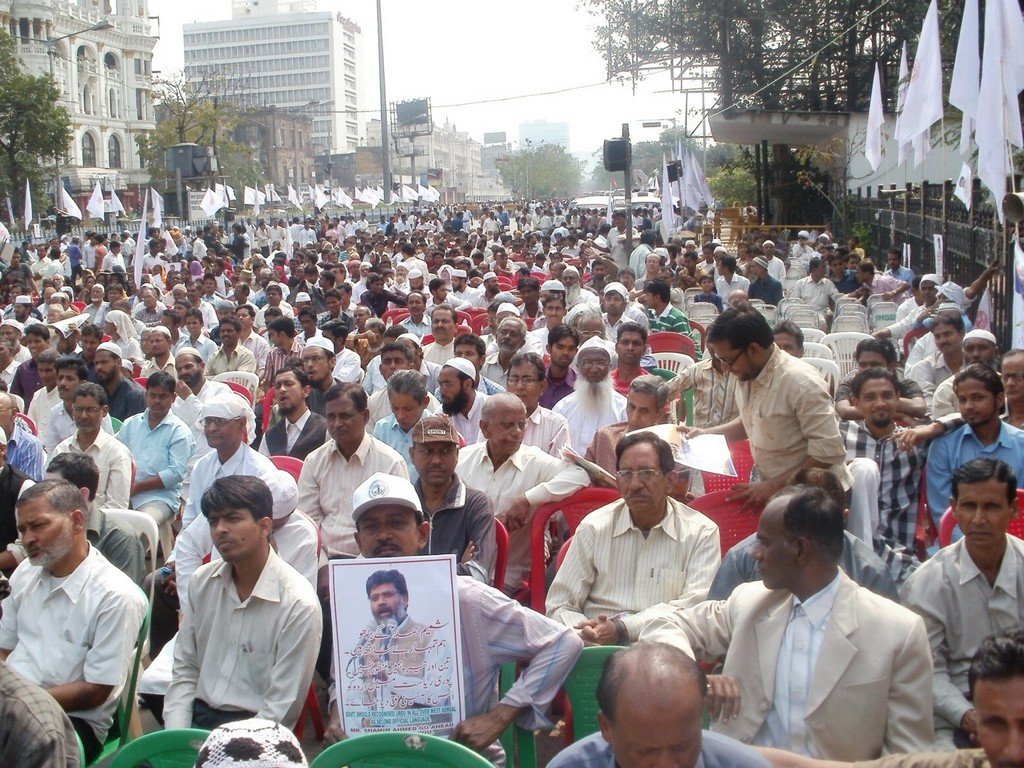
One of the first major public initiatives of the movement was the large National Harmony Conference organized in Hooghly district, West Bengal.
Key Features of the Conference
Nearly 3,000 participants attended
Representatives from multiple communities participated
Retired judges, social activists, and intellectuals addressed the gathering
Discussions focused on communal harmony, constitutional values, and peaceful coexistence
Former Chief Justice of the Orissa High Court, Justice I.M. Quddusi, publicly praised Shamim Ahmed’s efforts and described communal extremism as one of the greatest threats to India’s progress.
Shamim Ahmed’s Message
In his presidential speech, he emphasized:
Equal rights for all citizens
Rural participation in peace movements
Opposition to communal politics
Constitutional justice and democratic accountability
The need to expose those using religion for political gains
He argued that communalism weakens national unity and diverts attention from real social and economic problems.
November 2014 — National Convention on Communal Harmony
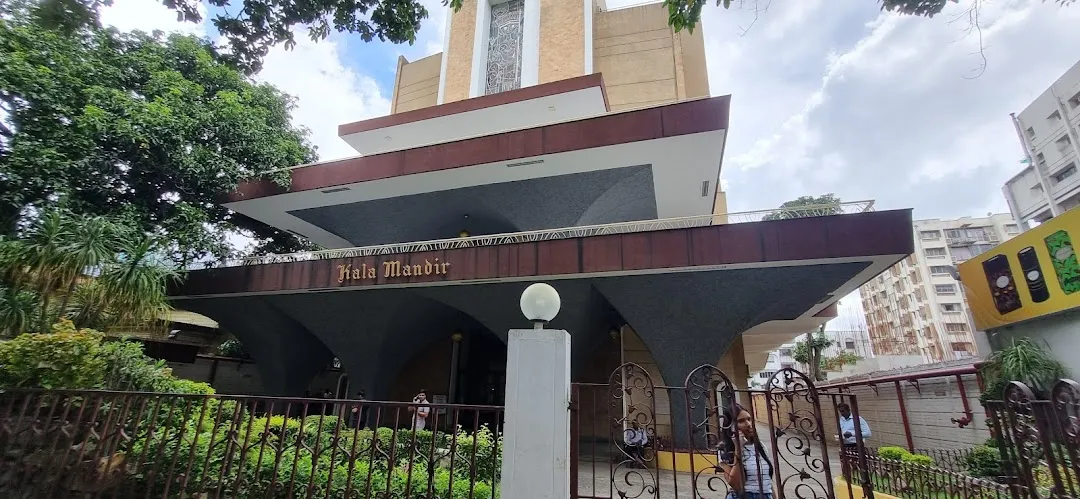
29 November 2014 — Kalamandir Hall, Kolkata
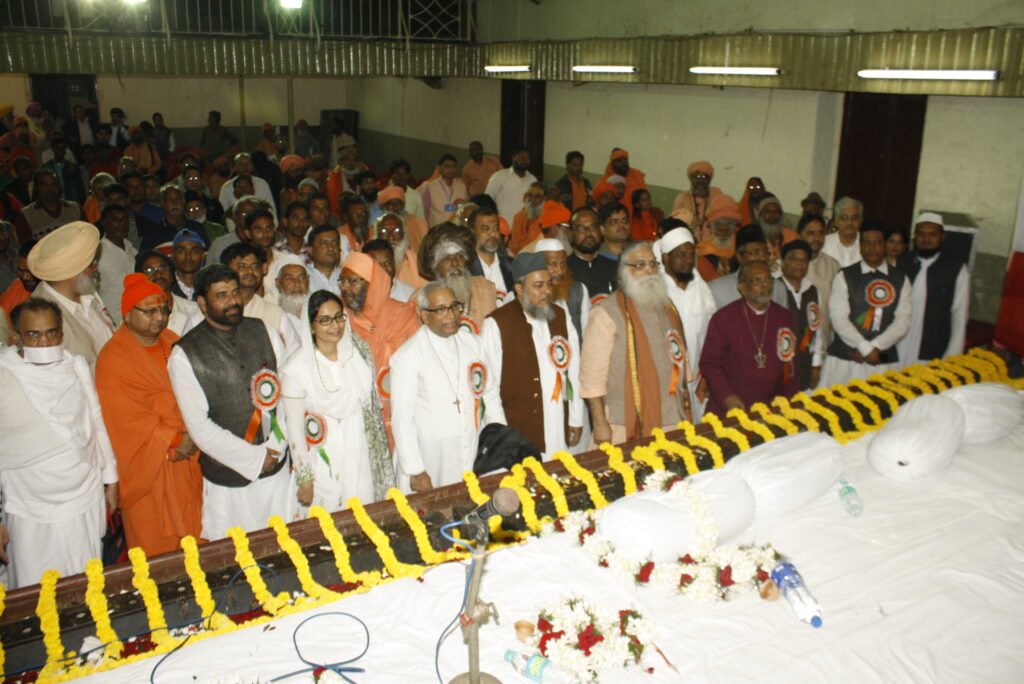
HRPA organized one of the largest interfaith conventions in eastern India at Kolkata’s historic Kalamandir Hall.
Participants Included:
- Hindu saints and scholars
- Muslim religious leaders
- Christian bishops
- Jain monks
- Retired judges
- Political leaders
- Civil society activists
Prominent participants included:
- Swami Lakshmi Shankar Acharya
- Swami Sarvanand Saraswati
- Maulana Aneesur Rahman Qasmi
- Bishop Thomas D’Souza
- Justice I.M. Quddusi
- Justice Rajesh Tandon
- Justice R.K. Patra
- Sudip Bandyopadhyay
- Firhad Hakim
Major Outcomes
Participants collectively pledged to:
Protect the Constitution of India
Oppose communal hatred
Promote brotherhood and coexistence
Reject violence in the name of religion
Defend India’s secular democratic values
This convention became a landmark moment in HRPA’s campaign for national unity.
2015 — Formation of “Dharma Sansad” for Peace
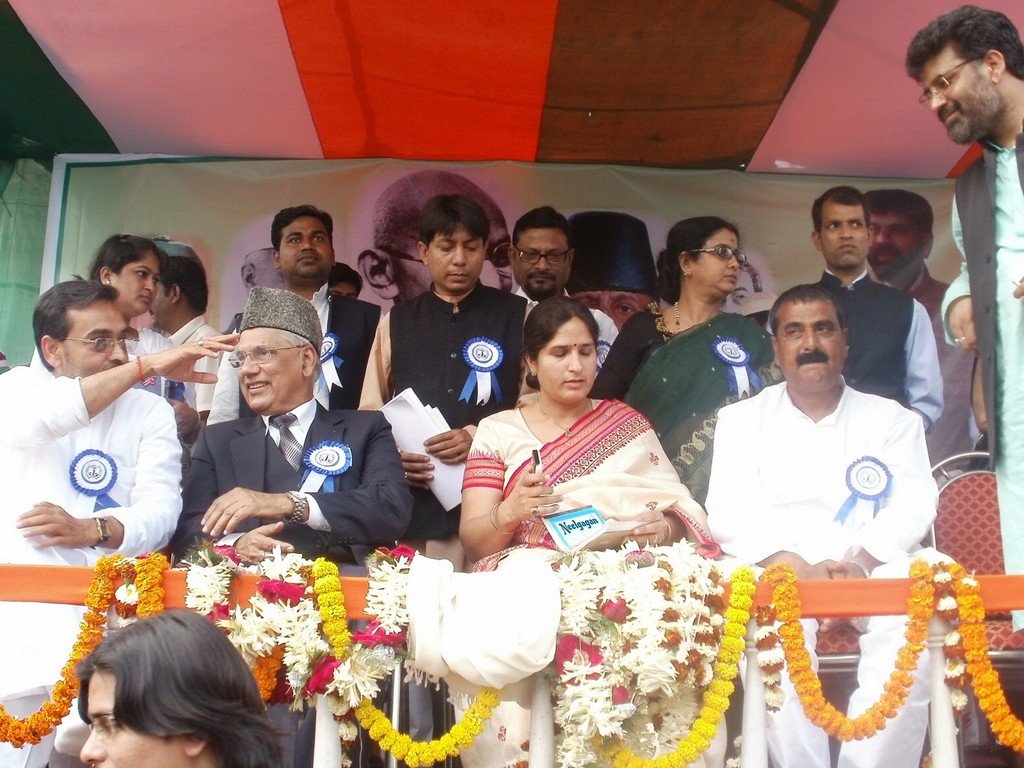
3 January 2015 — Muslim Institute Hall, Kolkata
Shamim Ahmed introduced one of his most innovative initiatives: the formation of a peaceful interfaith platform called “Dharma Sansad.”
Unlike extremist gatherings conducted in the name of religion, this platform aimed to:
- Encourage interfaith dialogue
- Build trust among communities
- Counter communal propaganda
- Promote India’s composite culture
Historic Participation
More than 200 Hindu saints, Muslim scholars, Christian leaders, Sikh representatives, Jain monks, and social activists attended the gathering.
Swami Balkananad Ji Maharaj openly stated that hatred in the name of religion was against the teachings of Hinduism and praised Shamim Ahmed for initiating a movement rooted in humanity and peace.
Core Committee Formation: A national interfaith core committee was formed including:
- Shamim Ahmed
- Swami Balkananad Ji
- Maulana Aneesur Rahman Qasmi
- Archbishop Raju
- Giani Sukhvinder Singh
- Mufti Mohammad Salim Yamani
- Swami Sarvanand
- Justice I.M. Quddusi
- Justice R.K. Patra
- Justice Rajesh Tandon
2015–2016 — Nationwide Outreach Campaigns
Following the success of the Kolkata conventions, Shamim Ahmed expanded the movement across multiple Indian states including:
Major Activities
Peace conferences
Interfaith meetings
Public awareness campaigns
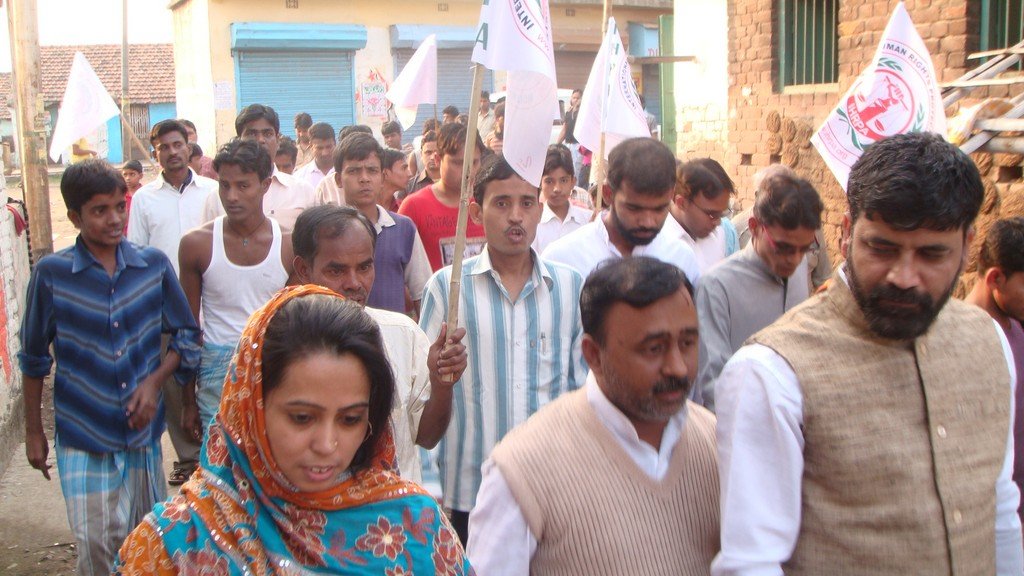
Village-based dialogue programs
Latur, Maharashtra
A major public gathering was organized in Latur where participants pledged:
Not to support communal politics
To oppose hatred and violence
These campaigns focused particularly on reaching rural populations rather than limiting the movement to urban intellectual circles.
2017 — “Maha Panchayat” Against Hate Politics
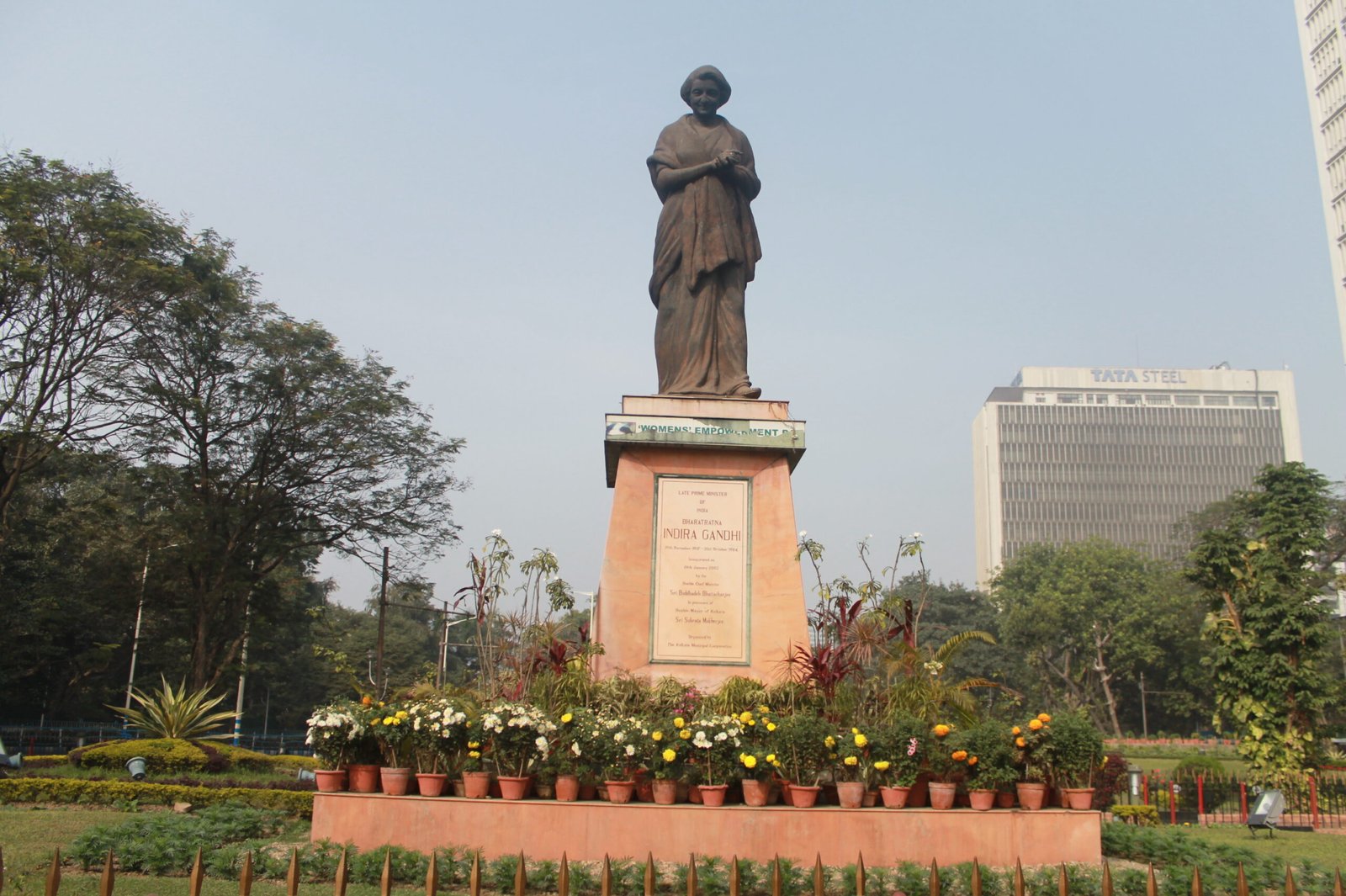
17 May 2017 — Gandhi Statue, Kolkata
HRPA organized a historic “Maha Panchayat” attended by religious leaders from across India.
Main Concerns Raised
- Mob lynching
- Religious polarization
- Hate speeches
- Political misuse of religion
- Government silence over communal violence
Resolution Passed
The gathering demanded:
Action against hate groups
Protection of constitutional rights
Strong legal measures against mob violence
Preservation of India’s secular identity
Shamim Ahmed declared that the movement would now expand into villages and grassroots communities across India, inspired by Mahatma Gandhi’s rural outreach during the freedom struggle.
Protection of All Religious Communities
One of the defining characteristics of Shamim Ahmed’s activism has been his equal commitment to all religious communities.
Intervention to Save a Hindu Temple in Asansol
When a Hindu temple built on railway land in Asansol faced demolition, local devotees approached Shamim Ahmed for help.
Despite being a Muslim leader, he:
Met railway authorities
Advocated protection of religious sentiments
Requested reconsideration of the demolition order
Emphasized equal respect for all faiths
His intervention successfully helped preserve the temple and earned widespread appreciation across communities.
This episode became a powerful symbol of his genuine commitment to interfaith harmony.
Opposition to Extremism and Hate Politics
Throughout his campaigns, Shamim Ahmed consistently opposed:
Mob lynching
Religious extremism
Hate speech
Political polarization
Communal violence
Misuse of religion for electoral gains
He repeatedly emphasized that:
“No religion teaches hatred. Violence in the name of faith is a betrayal of both religion and humanity.”
Vision for India
Shamim Ahmed envisions
A democratic India rooted in constitutional morality
Equal dignity for all communities
Peaceful coexistence among religions
Justice for marginalized groups
Stronger interfaith understanding
A society free from hatred and fear
He often draws inspiration from:
Mahatma Gandhi
Maulana Abul Kalam Azad
Rabindranath Tagore
Swami Vivekananda
India’s long tradition of composite culture and coexistence
Legacy and Continuing Relevance
The national harmony movement led by Shamim Ahmed represents one of the most important grassroots peace initiatives in contemporary India.
Under his leadership, HRPA has evolved into:
A human rights organization,
A peace-building platform
A movement for constitutional values
A voice against hatred and polarization