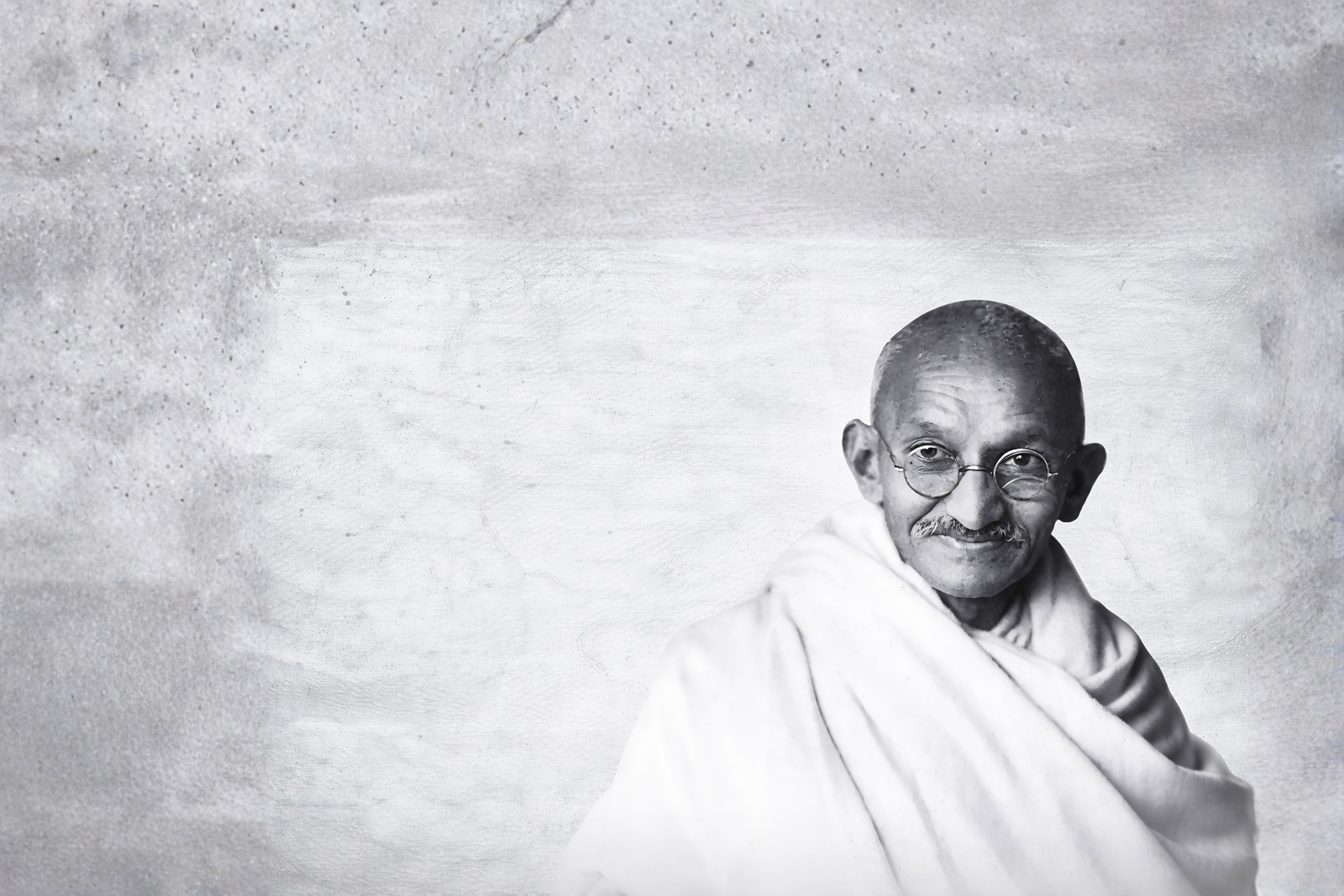







Freedom fighter
South African civil rights activist
14th Dalai Lama
African-American civil rights activist
Founding Member of HRPA
Chief Justice of the Sikkim High Court
Founding Member of HRPA
Introduction
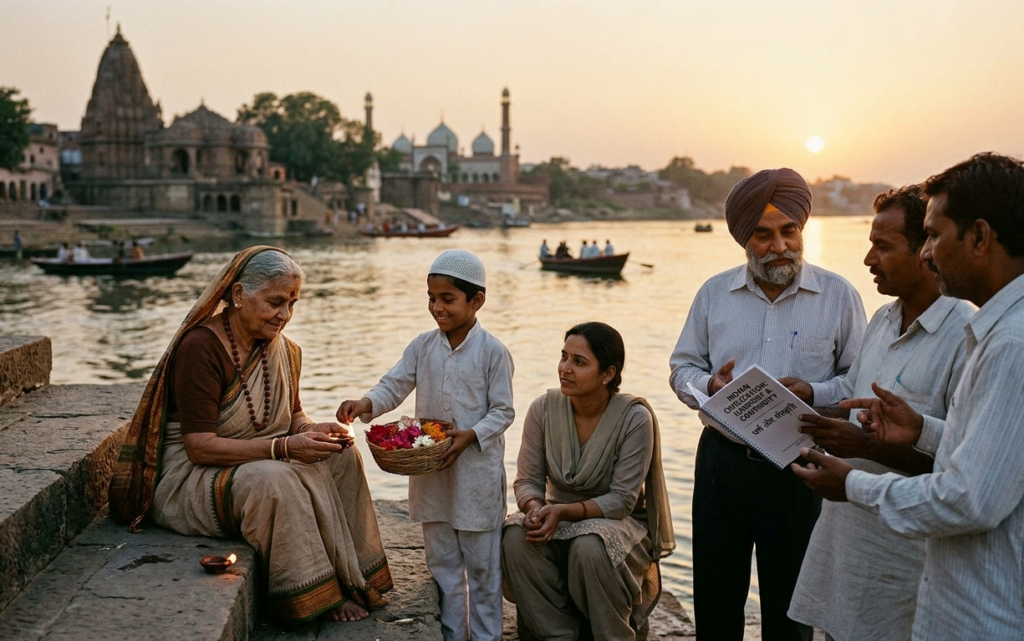
Indian civilization has evolved through centuries of interaction among diverse cultures, beliefs, and communities. From the era of the Indus Valley Civilization, the Indian subcontinent has absorbed and harmonized myriad cultural influences. As Jawaharlal Nehru once observed, there exists "an unbroken continuity between the most ancient and the most modern phases of Hindu thought, spanning over three thousand years." Throughout history, the notion of human rights has been a central concern across civilizations. The early legal systems of Babylon and Assyria, the Vedic "Dharma," and the philosophical teachings of Lao-Tze and Confucius reflect humanity's persistent concern for the dignity and rights of individuals.
Indian philosophy views individuals, society, and the universe as intrinsically interconnected. Everyone is seen as a creation of the divine, forming part of a universal family. In this spirit, Mahatma Gandhi asserted, "My patriotism includes the good of mankind in general. Therefore, my service to India includes the service of humanity."
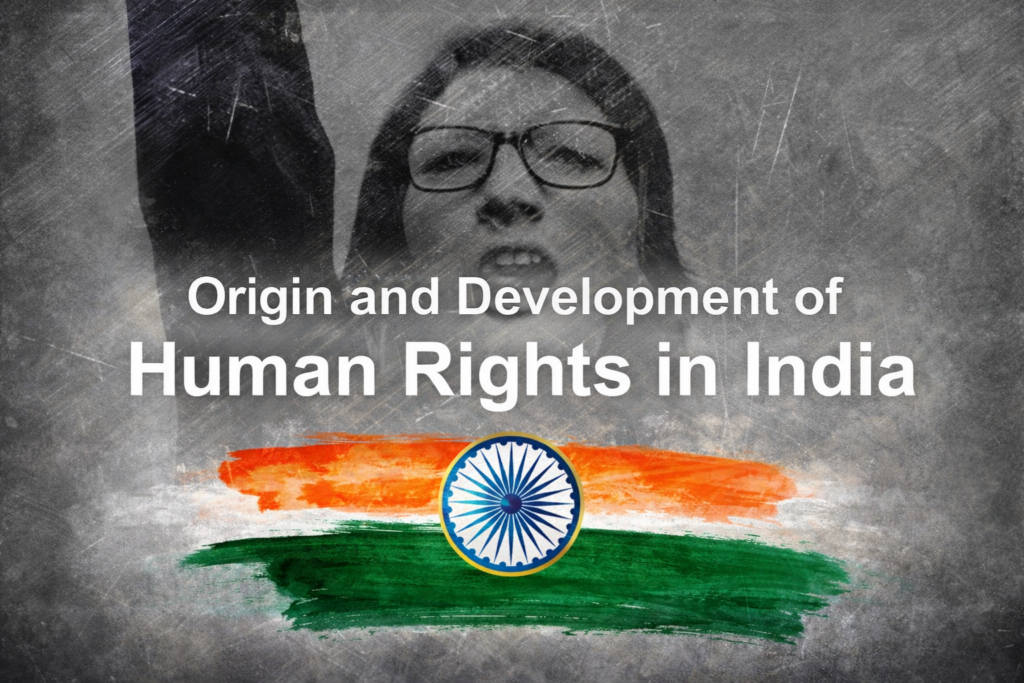
Origin and Development of Human Rights in India
Ancient Indian traditions, especially the teachings of Buddhism and Jainism, strongly emphasized non-violence, compassion, and human dignity. Nagendra Singh has called the Buddhist emphasis on non-violence “a humanitarian doctrine par excellence,” dating back to the third century BCE. Hindu scripture, particularly the Bhagavad Gita, identifies divine qualities in individuals who practice kindness, humility, non-violence, truthfulness, and restraint. These virtues form the bedrock of the Indian approach to human rights.
The historical record demonstrates that ancient Indian civilizations valued human rights as deeply as their counterparts in Europe and the Middle East. Figures like Ashoka, the Prophet Muhammad, and Emperor Akbar all contributed meaningfully to the development of rights-based traditions.
Human Rights in British India
The modern discourse on human rights in India emerged prominently during British colonial rule. The colonizers’ discriminatory practices, coupled with suppression of civil liberties, catalyzed Indian demands for fundamental freedoms. Leaders like Lokmanya Tilak famously asserted that freedom was a birthright of every Indian. Mahatma Gandhi’s leadership transformed these aspirations into a nationwide movement focused on self-rule and civil liberties.
The British, under pressure, introduced reforms such as the Charter Act of 1813 and the Government of India Act of 1833. Queen Victoria’s 1858 proclamation recognized some principles resembling fundamental rights. The Indian National Congress, founded in 1885, played a key role in articulating the demand for constitutional guarantees of personal freedoms and equal treatment.
The Motilal Nehru Committee and Rights Advocacy
In 1928, the Indian National Congress formed the Motilal Nehru Committee, which proposed a comprehensive list of fundamental rights. These included personal liberty, equality before law, freedom of religion, expression, education, protection against discrimination, and more. Although the Simon Commission dismissed these recommendations, they laid the foundation for future constitutional provisions.
The 1931 Karachi Session of the Congress adopted a resolution emphasizing fundamental rights, though the Government of India Act, 1935, failed to include them. The Sapru Committee in 1945 reiterated the necessity of codifying such rights, a sentiment strongly echoed during the Constituent Assembly debates.
Constituent Assembly and the Constitutional Codification of Rights
When the Constituent Assembly began its work in 1946, it was acutely aware of India’s colonial past and the denial of basic liberties. Influenced by the Universal Declaration of Human Rights, which was adopted during the drafting of the Indian Constitution, the Assembly ensured that the new Constitution enshrined a wide array of civil, political, social, and economic rights.
As historian Ramachandra Guha notes, the demand for codified rights stemmed from four main factors: colonial-era restrictions on civil liberty, systemic social injustices (especially against women and lower castes), communal divisions exploited by the British, and the feudal exploitation of peasants by landlords.
Human Rights and the Indian Constitution
Adopted in 1950, the Indian Constitution is one of the most comprehensive constitutional texts in the world. It declares India to be a sovereign, socialist, secular, and democratic republic. The Preamble promises justice (social, economic, and political), liberty (of thought, belief, faith, and worship), equality (of status and opportunity), and fraternity (assuring dignity and national unity).
India’s Commitment to the Universal Declaration of Human Rights
India was among the first countries to endorse the Universal Declaration of Human Rights. Many of the fundamental rights enshrined in Part III of the Indian Constitution mirror those articulated in the global declaration. This alignment reflects India’s dedication to upholding universal principles of dignity, equality, and freedom for all its citizens.
Blog
Origin and Development of Human Rights in India
Ancient Indian traditions, especially the teachings of Buddhism and Jainism, strongly emphasized non-violence, compassion, and human dignity. Nagendra Singh has […]
Origin and Development of Human Rights in India2
Ancient Indian traditions, especially the teachings of Buddhism and Jainism, strongly emphasized non-violence, compassion, and human dignity. Nagendra Singh has […]
Origin and Development of Human Rights in India3
Ancient Indian traditions, especially the teachings of Buddhism and Jainism, strongly emphasized non-violence, compassion, and human dignity. Nagendra Singh has […]

The Role of NGOs in Advancing Human Rights in India
In a vast and diverse democracy like India, the protection and promotion of human rights present both unique opportunities and challenges. With a wide range of issues spanning from caste discrimination and gender inequality to child labour and inadequate access to education and healthcare, non-governmental organizations (NGOs) have emerged as pivotal agents in driving positive change. Through tireless advocacy, awareness-building, policy engagement, and direct support services, NGOs operate at the forefront of the human rights movement in India.
Advocacy and Awareness
One of the most visible roles of NGOs in India is their function as vocal advocates for those whose rights are at risk. These organizations focus on issues such as child rights, women’s empowerment, healthcare access, labour conditions, and caste-based discrimination. By producing detailed reports, organizing campaigns, and utilizing media platforms, NGOs help spotlight societal injustices that might otherwise be overlooked. Their advocacy often leads to increased public pressure on lawmakers and institutions, contributing to the enactment of laws and reforms that protect vulnerable populations.
NGOs frequently collaborate with legal experts and government bodies to push for legislative changes that align with international human rights standards. They offer data-driven insights, submit policy recommendations, and participate in public consultations. Organizations like Amnesty International India and the Centre for Social Justice have been instrumental in proposing reforms to safeguard minority rights, improve prison conditions, and combat human trafficking.
Legal and Policy Reforms
Advocacy and Awareness
One of the most visible roles of NGOs in India is their function as vocal advocates for those whose rights are at risk. These organizations focus on issues such as child rights, women’s empowerment, healthcare access, labour conditions, and caste-based discrimination. By producing detailed reports, organizing campaigns, and utilizing media platforms, NGOs help spotlight societal injustices that might otherwise be overlooked. Their advocacy often leads to increased public pressure on lawmakers and institutions, contributing to the enactment of laws and reforms that protect vulnerable populations.
Legal and Policy Reforms
NGOs frequently collaborate with legal experts and government bodies to push for legislative changes that align with international human rights standards. They offer data-driven insights, submit policy recommendations, and participate in public consultations. Organizations like Amnesty International India and the Centre for Social Justice have been instrumental in proposing reforms to safeguard minority rights, improve prison conditions, and combat human trafficking.
Empowerment and Capacity Building
Education and empowerment lie at the heart of many NGOs’ missions. By conducting legal literacy workshops, training programs, and public seminars, these organizations equip marginalized individuals with the knowledge and confidence needed to claim their rights. Special attention is given to rural populations, women, Dalits, Adivasis, and religious minorities—groups often excluded from mainstream discourse and resources.
Direct Services and Support
Beyond policy work, many NGOs deliver essential services to communities in need. Organizations such as Save the Children and Pratham provide educational opportunities, medical aid, shelter for abuse survivors, and psychological counseling. These efforts not only address immediate needs but also strengthen long-term human development and resilience.
Innovative Strategies
Indian NGOs are renowned for their ability to adapt and innovate. Whether through tech-driven platforms that monitor government accountability or community-led models for participatory governance, NGOs leverage creativity to solve entrenched problems. For example, the Praja Foundation employs data analytics to enhance transparency in local governance, thereby reinforcing public trust and engagement.
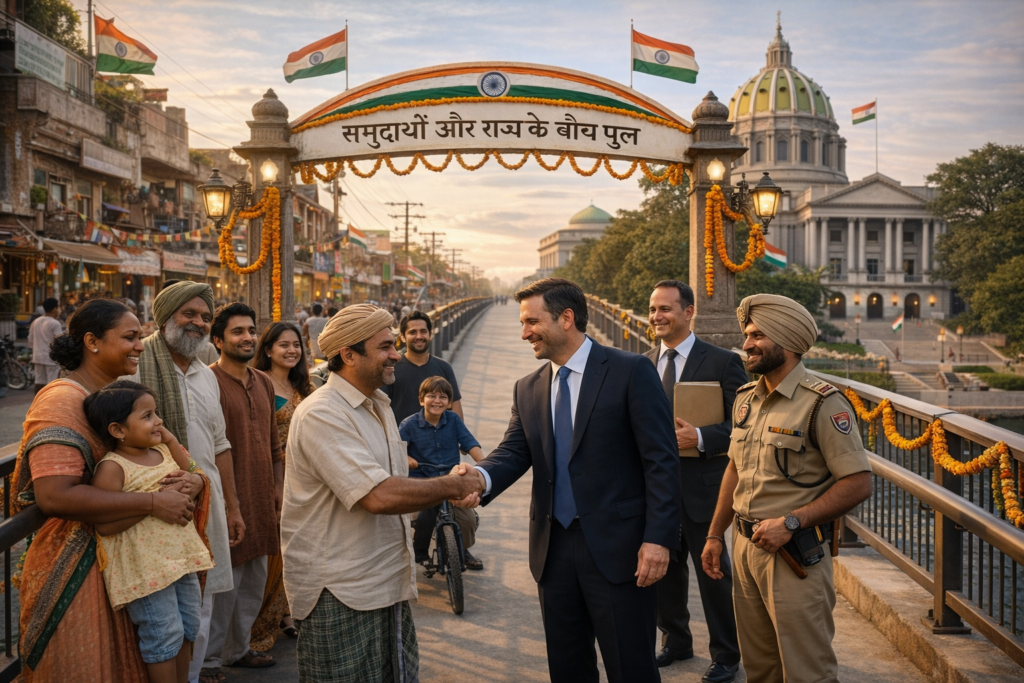
Bridging the Gap Between Communities and the State
NGOs often act as intermediaries between marginalized groups and state institutions. By facilitating dialogue, translation of legal language, and representation, they ensure that the concerns of the underserved reach policymakers. This participatory approach not only democratizes decision-making but also enhances the credibility and effectiveness of public programs.