
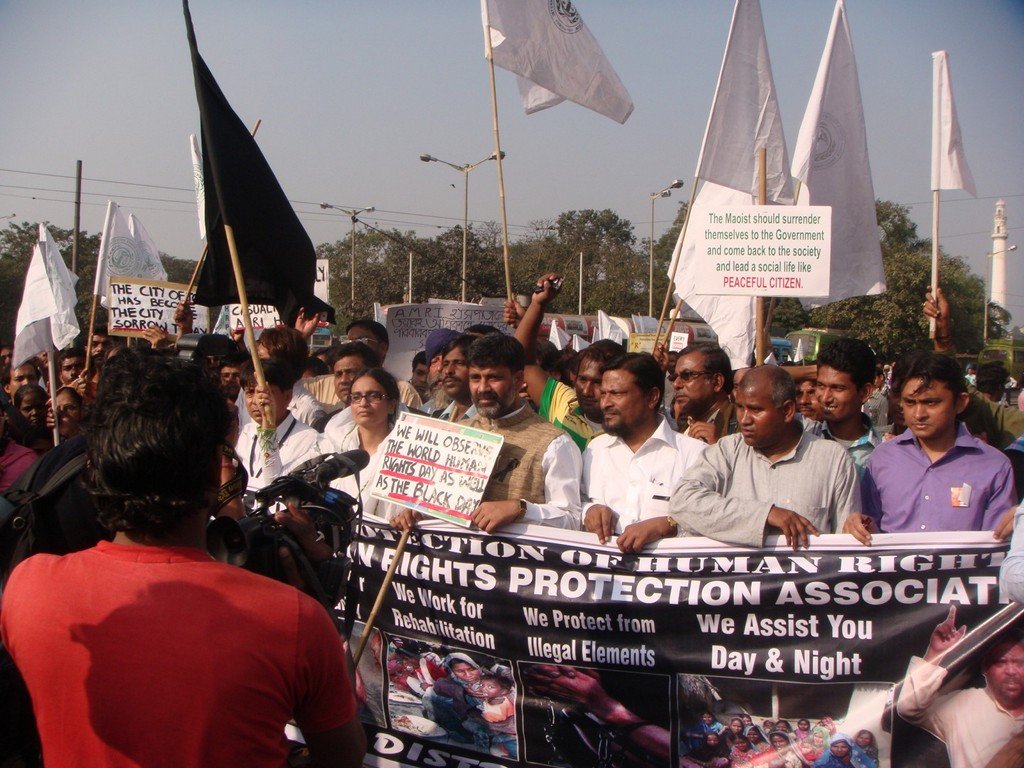
One of the important features of his work has been his willingness to bring conflicting parties together for dialogue. Instead of immediately treating every marital dispute as an irreparable breakdown, he has attempted to discover whether reconciliation is possible through counselling and mutual understanding. At the same time, his approach has not meant ignoring the rights of women. Where a woman has been subjected to violence or injustice, legal assistance and institutional intervention have been regarded as necessary.
The cases handled through these initiatives demonstrate the practical nature of Shamim Ahmed’s activism. In individual disputes, counselling was used to understand the circumstances of both sides and to determine whether a family could be restored without compromising the dignity and security of the woman concerned. Such interventions placed Shamim Ahmed in the position of a mediator who attempted to resolve conflicts before they became permanently destructive.
His activism became particularly forceful when institutions themselves appeared unwilling to protect victims. Shamim Ahmed has argued that victims of domestic violence should receive legal assistance and that the judicial system should be made more responsive to such cases. He has supported the demand for fast-track courts so that women seeking justice are not compelled to wait indefinitely for legal proceedings to conclude. His concern was not merely that laws should exist, but that those laws should function effectively for ordinary people.
His intervention in the Niamatpur rape case in Asansol in 2010 illustrates this aspect of his activism. According to the account of the incident, the police initially resisted registering a First Information Report, allegedly because of political connections surrounding the case. Shamim Ahmed refused to accept this inaction. He remained at the police station overnight and continued pressing the authorities until action was initiated. His response demonstrated a willingness to confront institutional resistance directly when the rights of a victim were at stake.
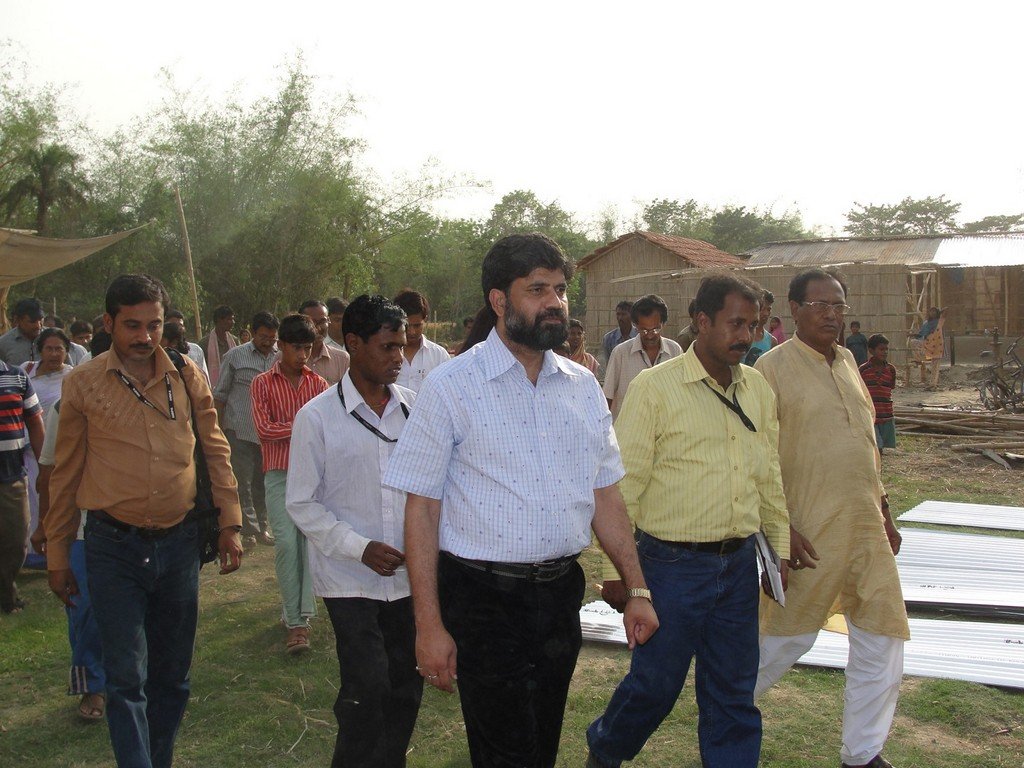

This episode also reveals a broader dimension of his understanding of human rights. For Shamim Ahmed, justice cannot depend upon a person’s political influence, social position or connections. The police must be accountable to the law, and victims must have access to legal protection regardless of the power or influence of those accused. His demand for police reform therefore forms an important part of his human-rights activism. He has emphasised the need to free law-enforcement agencies from political pressure so that they can perform their constitutional and legal responsibilities independently.
Shamim Ahmed’s work in this field combines immediate intervention with a demand for structural change. On the one hand, he has worked to help individual women and families through counselling, mediation and legal support. On the other, he has identified weaknesses in the police and judicial systems and called for institutional reforms. This combination gives his activism both a humanitarian and a systemic character.
His efforts also reflect an understanding that violence against women cannot be separated completely from the wider social environment. Domestic violence, marital conflict, family breakdown and delayed justice are interconnected with social attitudes, economic circumstances and the effectiveness of public institutions. Shamim Ahmed has therefore approached women’s issues as questions of dignity, justice and human rights rather than as merely private family matters.
A particularly significant aspect of his work is his willingness to intervene when social or political pressures make justice difficult. The Niamatpur incident illustrates his refusal to remain a passive observer. By staying at the police station and demanding action, he transformed concern for a victim into direct civic intervention. His activism thus rests upon the principle that human-rights protection requires presence, persistence and courage.
His work with women and families also demonstrates the importance he attaches to dialogue. Counselling provides an opportunity for the parties involved to explain their positions and to consider solutions without immediately escalating the dispute. Where reconciliation is possible and safe, it can protect families from unnecessary destruction. Where reconciliation is inappropriate because serious violence or abuse has occurred, legal protection becomes essential. Shamim Ahmed’s interventions consequently combine mediation with an insistence upon justice.
The wider significance of his work lies in the fact that he has attempted to construct mechanisms through which ordinary people can seek help. By involving lawyers, social workers and women activists, he has sought to make human-rights intervention a collective process rather than a purely individual effort. Such an approach recognises that complex social problems require cooperation between different forms of expertise.
Shamim Ahmed’s activism against violence towards women is therefore characterised by three interconnected commitments: direct assistance to victims, peaceful resolution of family disputes where possible, and institutional accountability where injustice persists. His efforts to establish special desks, provide counselling and legal assistance, advocate fast-track justice, challenge police inaction and demand freedom from political interference all form part of the same larger vision.
At the centre of this vision is the conviction that the dignity and security of vulnerable people must be protected through action rather than sympathy alone. Shamim Ahmed has attempted to give practical meaning to human-rights principles by intervening in individual cases and simultaneously demanding improvements in the institutions responsible for justice.
His work presents him not simply as an advocate who speaks about women’s rights, but as an activist prepared to enter difficult situations, mediate disputes, confront official resistance and insist upon institutional responsibility. Through these efforts, he has sought to create a more responsive environment in which women facing violence and injustice can obtain support, legal protection and a meaningful opportunity for justice.
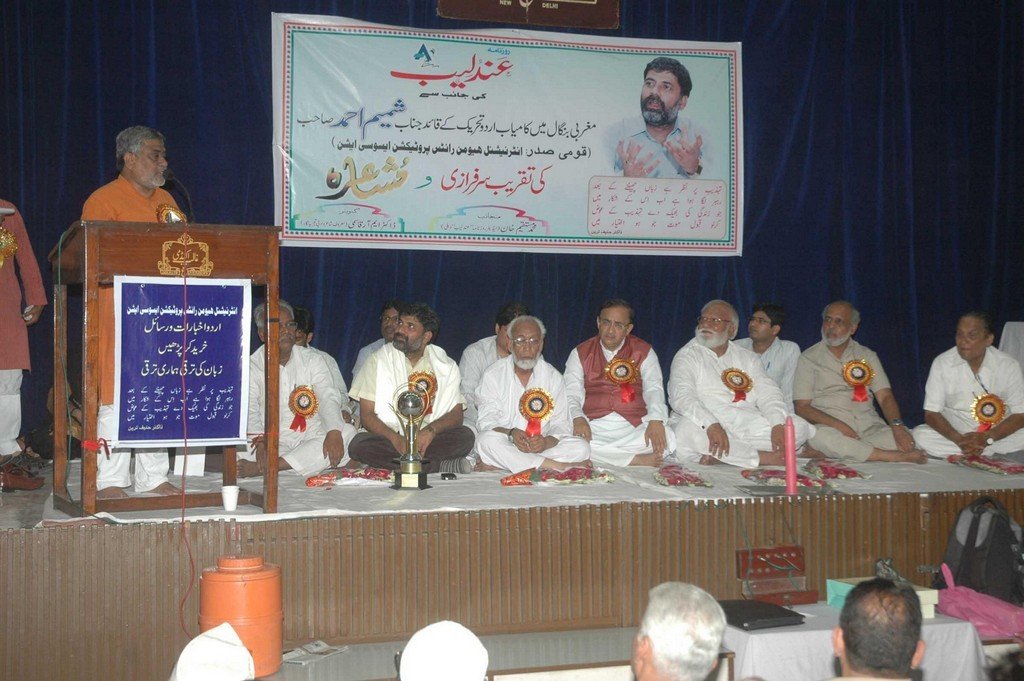
2. Shamim Ahmed’s Struggle against Colonialism and Imperialism
At the centre of this vision is the conviction that the dignity and security of vulnerable people must be protected through action rather than sympathy alone. Shamim Ahmed has attempted to give practical meaning to human-rights principles by intervening in individual cases and simultaneously demanding improvements in the institutions responsible for justice.
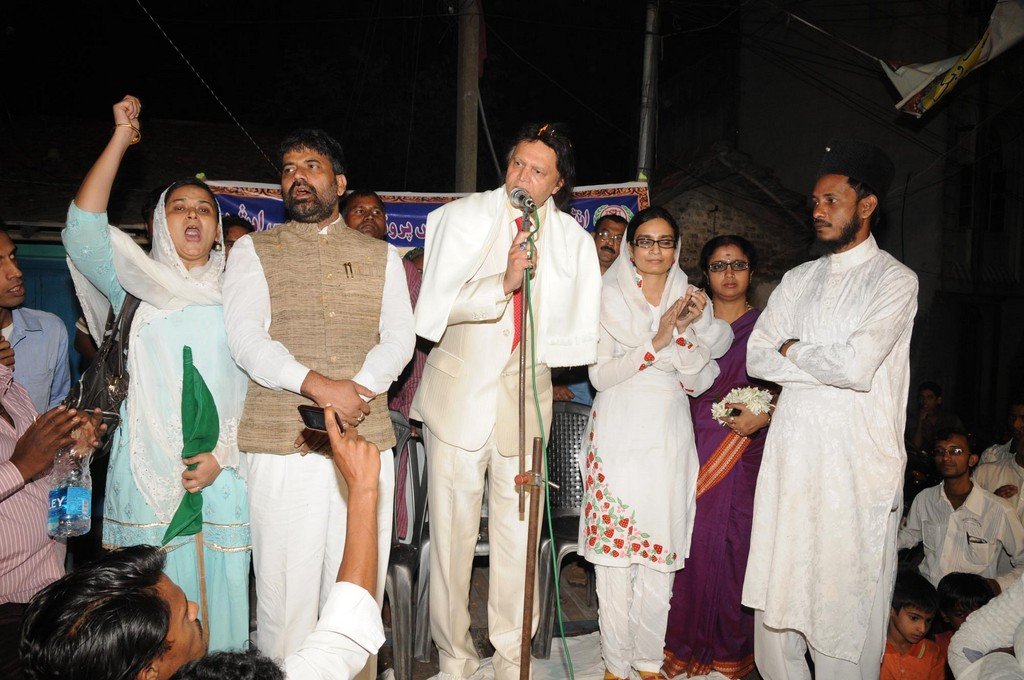
One of the most prominent examples of his anti-imperialist activism was his response to the Israeli attacks on Gaza in 2014. Shamim Ahmed strongly condemned the military violence and attempted to mobilise public opinion against what he regarded as grave violations of human rights. His response included writing letters to international and national institutions, including the United Nations, the United States Embassy and the Indian Ministry of External Affairs. Through these communications, he sought to draw institutional attention to the suffering of civilians and to demand a response to the violence.
His activism did not remain confined to correspondence. He organised a 36-hour protest in Kolkata against the Israeli actions in Gaza. The protest represented his effort to transform political criticism into public mobilisation. By taking the issue to the streets, he sought to create awareness and encourage people to recognise the human consequences of military action and political domination.
An important feature of Shamim Ahmed’s position was his insistence that the suffering of Palestinians should be understood through the universal language of human rights. His campaign was not presented merely as a religious or communal cause. He sought participation and solidarity from people belonging to different communities. In this way, he attempted to place the question of Palestine within a wider ethical framework based on human dignity, justice and opposition to oppression.
His activism also involved criticism of political policies that, in his view, strengthened imperialist forces. In November 2014, when India’s Home Minister Rajnath Singh visited Israel, Shamim Ahmed protested against the visit. His objection reflected his broader opposition to policies and international relationships that he believed required scrutiny from the standpoint of justice and the rights of oppressed peoples.
For Shamim Ahmed, opposition to imperialism was not supposed to be selective. He argued that anti-imperialist activism should not be restricted only to Israel or the United States. His understanding of the issue extended to other regions where people were subjected to violence, occupation, discrimination or political domination. He therefore expressed concern about developments involving Myanmar, India, Ukraine, Iraq, Syria and other places.
This wider perspective reveals the underlying principle of his activism: injustice should be opposed because it is injustice, irrespective of the identity of the victim or the political identity of the perpetrator. Such a position allowed him to connect local human-rights activism with international questions. The same concern for vulnerable people that informed his work in India also shaped his response to international conflicts.
Shamim Ahmed’s approach to imperialism was also concerned with more than direct military occupation. His understanding encompassed political, economic and cultural forms of domination. This broader conception enabled him to view imperialism as a continuing structure of power rather than merely a historical phenomenon. Resistance, therefore, required awareness, public mobilisation and solidarity with people experiencing different forms of domination.
His campaigns demonstrate a preference for organised civic action. Rather than limiting himself to private expressions of disagreement, he used public demonstrations, written appeals, political protest and mobilisation to communicate his position. The 36-hour Kolkata protest over Gaza is particularly significant because it illustrates his willingness to sustain public action over an extended period in order to draw attention to an international humanitarian crisis.
At the same time, his activism sought to cross communal boundaries. His campaigns on international issues, like his other movements, were not restricted to Muslims or to people from a particular region. He sought broader participation and presented the causes he supported as matters of human conscience. This universal orientation strengthened the connection between his international activism and his wider human-rights philosophy.
His anti-imperialist activities must also be understood alongside his other social and civic campaigns. His work for Urdu, national integration, women’s justice and the “Food for All” initiative reflects a common underlying concern with dignity, equality and the rights of ordinary people. Although these campaigns addressed different problems, they were united by his belief that social injustice should be confronted through organised action.
Shamim Ahmed’s activism therefore combined political awareness with humanitarian concern. His response to Gaza was simultaneously a protest against military violence, an appeal for international attention and an attempt to mobilise civil society. His protest against the Indian Home Minister’s Israel visit similarly demonstrated his readiness to challenge government policy publicly when he believed that such policy conflicted with the principles he defended.
His position also extended beyond geographical boundaries. He did not consider the defence of human rights to be limited by nationality. The suffering of Palestinians, victims of violence in Myanmar, people affected by conflict in Iraq and Syria, or communities facing oppression elsewhere could all become subjects of his concern. This international outlook gave his activism a distinctive character: local citizenship and global responsibility were not treated as contradictory but as complementary.

The most significant characteristic of Shamim Ahmed’s anti-imperialist work is therefore its insistence upon active solidarity. He sought not merely to express sympathy for oppressed people but to organise protests, communicate with institutions and bring public attention to their suffering. His methods demonstrate a belief that civil society can exert moral and political pressure when governments and powerful institutions fail to respond adequately.
His activism also reflects courage in confronting politically sensitive questions. Speaking against powerful states, protesting governmental policies and publicly addressing international conflicts can invite political criticism. Yet Shamim Ahmed continued to articulate his position because he regarded human rights as more important than political convenience.
His anti-imperialist struggle can consequently be understood as an extension of his larger commitment to justice. He opposed domination whether it appeared in the form of foreign intervention, military violence, occupation, political pressure or the denial of human dignity. His actions in relation to Gaza, Palestine and other international crises demonstrate an attempt to turn these principles into visible public campaigns.
Ultimately, Shamim Ahmed emerges as an activist whose understanding of human rights crosses religious, political and geographical boundaries. His anti-imperialist activities were rooted in the conviction that the rights of oppressed people deserve defence regardless of where they live. Through protests, institutional appeals, public mobilisation and political criticism, he sought to make international injustice a matter of public conscience.
His central method was to transform moral concern into organised action. Whether confronting violence against civilians, challenging political policies, supporting oppressed communities or raising his voice against international domination, Shamim Ahmed consistently attempted to give practical expression to the principles of justice, equality and human dignity. His activism against imperialism thus forms an important part of a wider life of public engagement in which resistance to oppression and solidarity with the vulnerable remain fundamental commitments.